Tuesday, 17 September 2013

British cosmologist Hawking backs right to assisted suicide

(Reuters) - British cosmologist Stephen Hawking has backed the right for people who are terminally ill to choose to end their lives and to receive help to do so as long as safeguards are in place.
British physicist Stephen Hawking sits at his desk in the Applied Mathematics Department of Cambridge University August 30, 2012. REUTERS/Guillermo Granja/Vice Presidency of Ecuador/Handout
The wheelchair-bound Hawking was diagnosed with motor neurone disease aged 21 and told he had two to three years to live. Now 71, he is one of the world's leading scientists, known especially for his work on black holes and as author of the international bestseller "A Brief History of Time".
Speaking ahead of the release of a documentary about his life this week, Hawking said he backed the right to die but only if the person involved had chosen that route.
He recalled how he was once put on a life support machine after suffering pneumonia and his wife was given the option of switching off the machine but this is not something he wanted.
"I think those who have a terminal illness and are in great pain should have the right to choose to end their lives, and those who help them should be free from prosecution," Hawking told the BBC.
"There must be safeguards that the person concerned genuinely wants to end their life and are not being pressurised into it or have it done without their knowledge and consent as would have been the case with me."
Assisted suicide is illegal in Britain and the issue of whether or not to decriminalise it for people whose lives are unbearable is a matter of debate in many countries.
Right-to-die advocates say people capable of making that decision should be allowed to die with dignity. Opponents say liberalising the law could leave vulnerable people at risk.
Switzerland and several U.S. states are among places where some forms of euthanasia or assisted suicide are legal under certain circumstances.
Hawking, who has made guest appearances in TV shows such as The Simpsons and Star Trek, says his active mind and sense of humour are key to his survival.
Hawking communicates via a cheek muscle linked to a sensor and computerised voice system. He urged anyone with a disability to focus on what they can do and not regret what they cannot do.
"Theoretical physics is one field where being disabled is not a handicap. It is all in the mind," said the scientist, who works at Cambridge University.

The documentary "Hawking" by Vertigo Films is due to be released in Britain on September 20. (Reporting by Belinda Goldsmith; Editing by Janet Lawrence)

US Military Scientists Solve the Fundamental Problem of Viral Marketing

Network theorists working for the US military have worked out how to identify the small “seed” group of people who can spread a message across an entire network.

Viral messages begin life by infecting a few individuals and then start to spread across a network. The most infectious end up contaminating more or less everybody.
Just how and why this happens is the subject of much study and debate. Network scientists know that key factors are the rate at which people become infected, the “connectedness” of the network and how the seed group of individuals, who first become infected, are linked to the rest.
It is this seed group that fascinates everybody from marketers wanting to sell Viagra to epidemiologists wanting to study the spread of HIV.
So a way of finding seed groups in a given social network would surely be a useful trick, not to mention a valuable one. Step forward Paulo Shakarian, Sean Eyre and Damon Paulo from the West Point Network Science Center at the US Military Academy in West Point.
These guys have found a way to identify a seed group that, when infected, can spread a message across an entire network. And they say it can be done quickly and easily, even on relatively large networks.
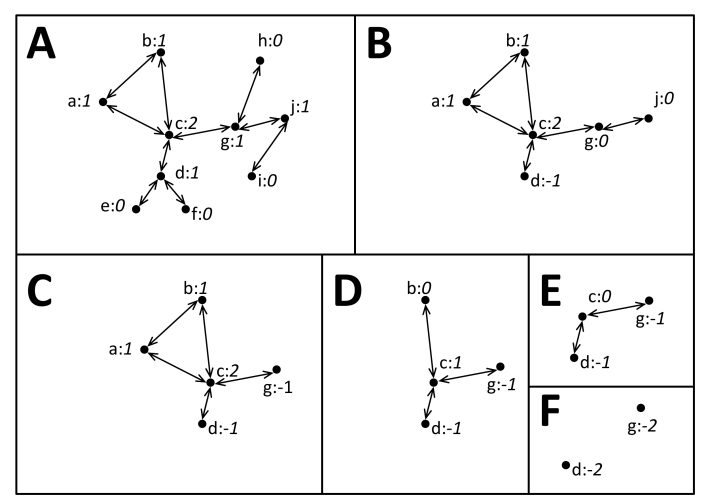
Their method is relatively straightforward. It is based on the idea that an individual will eventually receive a message if a certain proportion of his or her friends already have that message. This proportion is a critical threshold and is crucial in their approach.
Having determined the threshold, these guys examine the network and look for all those individuals who have more friends than this critical number. They then remove those who exceed the threshold by the largest amount.
In the next, step, they repeat this process, looking for all those with more friends than the critical threshold and pruning those with the greatest excess. And so on.
This process finishes when there is nobody left in the network who has more friends than the threshold. When this happens, whoever is left is the seed group. A message sent to each member of this group can and should spread to the entire network.
That’s a slick approach to a well-known problem. What’s got network scientists bogged down in the past is that they’ve always couched this conundrum in terms of finding the smallest seed group. Proving that the group you’ve found is the smallest really is a tricky problem.
But Shakarian and co make no such claim.  “We present a method guaranteed to find a set of nodes that causes the entire population to activate - but is not necessarily of minimal size,” they say.
That suddenly makes the problem much easier. Indeed, these guys have tested it on a large number of networks to see how well it works. Their test networks include Flickr, FourSquare, Frienster, Last.FM, Digg (from Dec 2010), Yelp, YouTube and so on.
And the algorithm works well. “On a Friendster social network consisting of 5.6 million nodes and 28 million edges we found a seed set in under 3.6 hours,” say Shakarian and co. For this they used an Intel X5677 Xeon processor operating at 3.46 GHz with a 12 MB Cache running Red Hat Enterprise Linux version 6.1 and equipped with 70 GB of physical memory.
That’s a promising outcome and one that many people will find valuable. Shakarian and co say that using their approach to find a seed group on the FourSquare online social network, a viral marketeer could expect a 297-fold return on investment. Not bad!
For this reason, Shakarian and co could, and probably will, find themselves and their algorithm in demand from the legion of marketers wanting to make their product viral. Not least of these could be big internet companies such as Amazon and Apple who both have huge networks of customers and plenty of products to sell.

வாஷிங்டன் கடற்படை தளத்தில் துப்பாக்கி சூடு: பலி எண்ணிக்கை 13 ஆக உயர்வு

அமெரிக்க தலைநகர் வாஷிங்டனில் வெள்ளை மாளிகை அருகே அமைந்துள்ள கடற்படை தளத்திற்குள் ராணுவ உடையில் வந்த மூன்று பேர் நேற்று காலை துப்பாக்கியால் சுட்டு தாக்குதல் நடத்தினர். மிகவும் பாதுகாப்பான பகுதியான இங்கு தைரியமாக நடத்தப்பட்டுள்ள இந்த தாக்குதலில் சட்ட அமலாக்க பிரிவு அதிகாரிகள் இருவர் உள்பட 13 பேர் கொல்லப்பட்டனர். மேலும் பொதுமக்கள், போலீசார் என 10-க்கும் மேற்பட்டோர் படுகாயமடைந்தனர். 

வாஷிங்டன் கடற்படை தளத்தில் துப்பாக்கி சூடு: பலி எண்ணிக்கை 13 ஆக உயர்வு

இந்த தாக்குதல் நடத்தியவர்களில் 50 வயதான ஒரு வெள்ளையனை போலீசார் சுட்டுக்கொன்றனர். ராணுவ உடையில் வந்த மற்ற இருவரையும் போலீசார் தேடிவருகின்றனர். அவர்கள் அப்பகுதியில் மறைந்து இருக்கலாம் என்று கூறப்படுகிறது. அதில் ஒருவன் 50 வயதுமதிக்கத்தக்க கறுப்பர் என்று கூறப்படுகிறது. 

3 ஆயிரத்திற்கும் மேற்பட்டோர் பணிபுரியும் இங்கும் நூற்றுக்கணக்கான போலீசார் மற்றும் ராணுவ வீரர்கள் அப்பகுதியை சுற்றிவளைத்துள்ளனர்.  இதையடுத்து தலைநகரின் கல்வி நிறுவனங்கள் மற்றும் அலுவலகங்களில் பாதுகாப்பு பலப்படுத்தப்பட்டுள்ளது. 

ராணுவ உடையில் வந்த அவர்கள் உண்மையான ராணுவ வீரர்கள் அல்ல. அவர்கள் எதற்காக இந்த தாக்குதலை நடத்தியுள்ளனர் என்று தெரியவில்லை என அந்நகர போலீஸ் அதிகாரி ஒருவர் தெரிவித்தார்.  கோழைத்தனமான தாக்குதலை நடத்தியுள்ளவர்களை உடனடியாக நீதியின் முன் நிறுத்த அதிபர் ஒபாமா கேட்டுக்கொண்டுள்ளார்.